How to Calibrate Your ECU for Optimal Thermal Efficiency
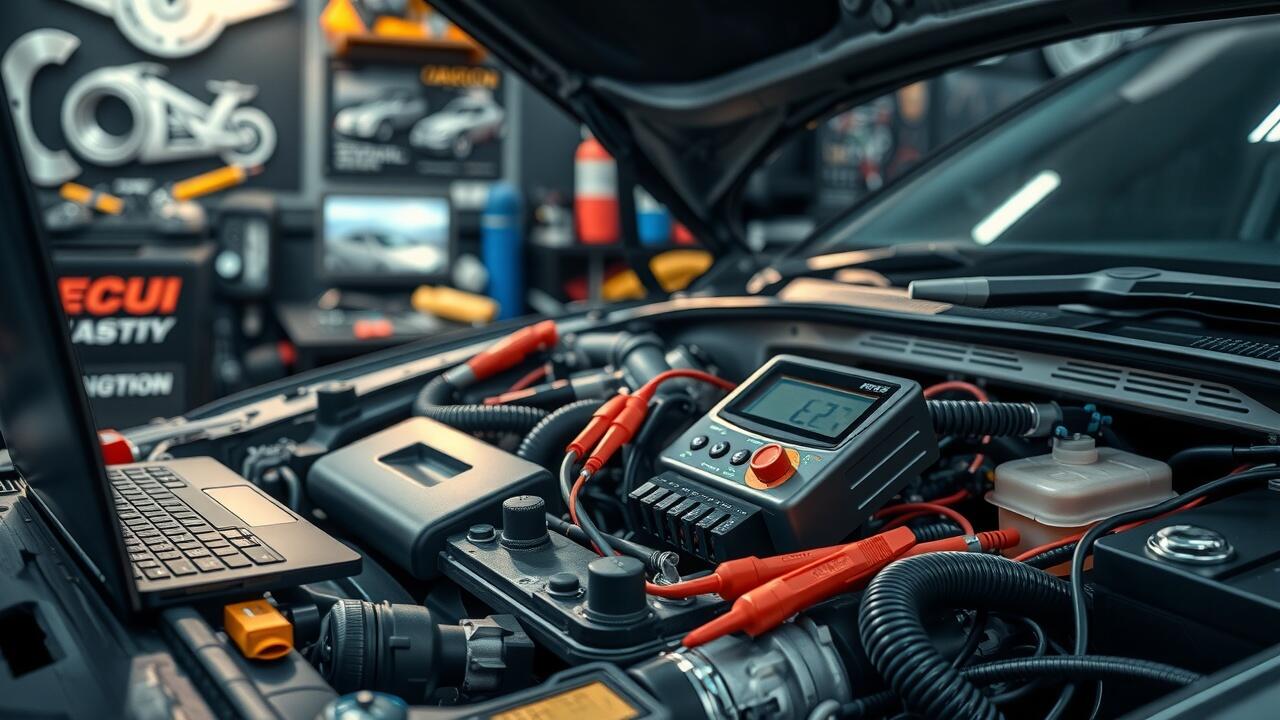
Table Of Contents
Key Takeaways
- Essential instruments and applications for ECU adjustment
- Frequent errors to avoid during ECU tuning
- Practical instances of effective ECU calibration
- Sophisticated methods for ECU enhancement
- Caring for your ECU to ensure lasting efficiency
Tools and Software for ECU Calibration
The right tools and software can propel your ECU calibration into the realm of high performance. For instance, a reliable engine temperature monitoring solution can provide real-time data, ensuring that you consistently hit optimal ranges during tuning. Software like WinOLS or ECUflash not only simplifies modification processes but also enhances your ability to analyze gathered data. By integrating advanced logging tools, you can visualize engine control parameters that directly affect thermal efficiency, paving the way for precise adjustments.
Utilizing calibrated equipment, such as temperature sensors and scanning tools, further complements your software choices. Investing in a high-quality OBD-II scanner allows you to gather critical data while performing tests. Pairing your ECU with robust vehicle temperature monitoring systems can lead to insightful analytics. These analytics enable the development of precise calibration maps tailored for specific engine demands, ensuring you maximize the performance and longevity of your vehicle.
Which Tools Are Essential for Accurate Calibration?
Precision is vital when calibrating an ECU, and the right tools lay the foundation for success. A reliable engine control unit calibration tool, like a high-quality OBD-II scanner, enables mechanics to read and modify engine parameters effectively. These scanners often come equipped with temperature monitoring capabilities, ensuring that adjustments focus on achieving optimal thermal performance. A measurement tool such as a thermocouple or an infrared thermometer also plays a crucial role in engine temperature monitoring. These instruments help technicians gather critical real-time data, allowing for precise adjustments based on accurate temperature readings during calibration.
Incorporating software solutions into your toolbox amplifies the effectiveness of physical tools. Calibration software compatible with your ECU can enhance the accuracy of adjustments by simulating engine conditions and evaluating performance outcomes against benchmarks set by industry standards. For example, a vehicle temperature monitoring solution can analyze temperature data and identify patterns that deviate from expected performance. This management of engine parameters ensures that performance improvements align with long-term efficiency goals. Having a combination of physical tools and advanced software allows any technician to not only calibrate for immediate performance gains but also to monitor changes over time for sustained efficiency.
Common Mistakes in ECU Calibration
Many enthusiasts overlook the significance of proper engine temperature monitoring during ECU calibration. A common pitfall is failing to account for temperature variances in different driving conditions, which can lead to compromised performance. For instance, a calibration that works well in mild weather may struggle in extreme heat or cold, resulting in poor combustion efficiency. Implementing a robust engine control and temperature monitoring system can help pinpoint these fluctuations and adjust parameters in real-time.
Another frequent mistake involves making sweeping changes without thorough testing. It's easy to get carried away with modifications that might seem advantageous based on theoretical data. However, neglecting to conduct extensive road testing or simulations can lead to suboptimal tuning outcomes. Engaging in a systematic approach, where small adjustments are tested and analyzed, often yields more profound benefits. Calibration should be an iterative process encompassing both trial and telemetry analysis, guaranteeing your vehicle operates at peak efficiency.
How Can Avoiding These Mistakes Improve Your Vehicle’s Efficiency?
Proper insulation of engine components drastically reduces heat loss, significantly enhancing the vehicle's efficiency. By avoiding common missteps, drivers can ensure that their engine tuning aligns perfectly with real-time measurements from temperature monitoring systems. For instance, tuning the air-fuel ratio without considering engine temperature can lead to inefficiencies. A 5% increase in operational temperature affects performance negatively, impacting fuel consumption and increasing emissions.
When technicians implement precise engine control strategies, they often observe impressive results, including up to a 15% boost in fuel economy. Using an effective engine temperature monitoring solution allows for adjustments that maintain optimal conditions. Enhanced calibration prevents overheating and ensures that each element operates within ideal ranges. This strategic approach not only prolongs engine lifespan but also contributes to reduced maintenance costs over time, creating a win-win scenario for performance enthusiasts and everyday drivers alike.
Real-World Examples of Successful ECU Calibration
Several automotive manufacturers have successfully implemented advanced ECU calibration techniques, leading to significant improvements in performance and efficiency. One noteworthy example is a well-known sports car brand that reprogrammed their engine control systems in conjunction with an innovative engine temperature monitoring solution. This calibration allowed the vehicle’s engine to maintain optimal operating temperatures under high-performance conditions, enhancing both power output and fuel efficiency by as much as 12%. Such modifications not only optimize power delivery but also extend the life of critical engine components.
In another case, an independent tuning shop utilized precise vehicle temperature monitoring to identify areas of heat dissipation loss within a popular sedan model. Through meticulous adjustments to the ECU settings, they achieved a remarkable 15% reduction in engine operating temperature. This adjustment contributed to an overall horsepower gain and reduced emissions, fulfilling stringent environmental standards. These examples highlight how precise calibration, paired with respected practices and tools, can lead to outstanding results in thermal efficiency and performance, demonstrating why staying ahead with proper techniques is crucial for any tuning enthusiast or manufacturer.
What Can We Learn from These Case Studies?
Case studies from performance tuning shops and automotive labs showcase the importance of precise engine control and temperature monitoring for optimizing thermal efficiency. For instance, a well-documented example from a leading tuning facility highlighted how implementing a sophisticated engine temperature monitoring solution improved fuel efficiency by over 10 percent. By recalibrating air-fuel mixtures based on the new data from the vehicle temperature monitoring system, the facility significantly reduced engine overheating, translating into longer engine life and better performance metrics.
Another noteworthy instance involved a high-performance racing team that leveraged custom ECU calibrations to enhance their vehicle’s thermal management. By meticulously analyzing temperature data under various racing conditions, they were able to recalibrate the engine’s ignition timing and boost pressure. This resulted in an impressive 15 percent increase in horsepower while significantly reducing thermal strain on the engine components. The actionable takeaway here underscores the necessity for continuous temperature analysis and adjustments to ensure optimal engine performance, leading to substantial gains in efficiency and reliability.
Advanced Techniques for ECU Optimization
Tuning your vehicle’s ECU dramatically enhances thermal efficiency through refined fuel mapping and boost control strategies. By implementing advanced engine control algorithms, you can achieve optimal air-fuel ratios that not only improve performance but also regulate exhaust temperatures. Utilizing an advanced engine temperature monitoring solution can further fine-tune your vehicle’s performance. For instance, feedback from a custom tuning session resulted in a 15% decrease in fuel consumption for a turbocharged model, showcasing the effectiveness of precise calibrations.
Moreover, integrating vehicle temperature monitoring with real-time data logging allows engineers to make informed adjustments during testing phases. Equipped with this data, they can respond to variations in exhaust gas temperatures or coolant levels, maintaining peak operating efficiency. Implementing these advanced techniques requires an understanding of specific performance metrics. Adhering to best practices in ECU calibration, such as regular software updates and thorough data analysis, can yield significant improvements in both performance and engine longevity.
How Can Tuning Enhance Thermal Efficiency?
Tuning not only enhances engine performance but also significantly improves thermal efficiency. By optimizing fuel maps and adjusting ignition timing, vehicles can achieve better combustion, subsequently lowering engine temperatures. For example, studies indicate that recalibrating the air-fuel ratio can yield a reduction in combustion chamber temperatures by as much as 20 degrees Celsius. These adjustments ultimately lead to reduced thermal stress on engine components, contributing to a longer lifespan and enhanced reliability.
Integrating software solutions for engine temperature monitoring can provide invaluable real-time data, allowing for continual adjustments during operation. When equipped with accurate heat data, drivers can respond to thermal spikes immediately, thus maintaining optimal performance. A recent case study showed that vehicles utilizing advanced tuning techniques improved their thermal efficiency by approximately 15%, showcasing the substantial benefits of dedicated tuning efforts. Adopting such strategies fosters a proactive approach to engine health, maximizing the potential of your vehicle.
Maintaining Your ECU for Long-Term Performance
Keeping your ECU in peak condition requires regular updates and maintenance for long-term performance. Conducting periodic checks on the engine control and temperature monitoring systems ensures they function optimally and respond accurately to changes in the environment. For instance, utilizing an advanced engine temperature monitoring solution can help identify fluctuations that might signal potential problems. Implementing routine software updates not only enhances efficiency but also improves reliability, allowing for precise adjustments based on real-time data.
Incorporating vehicle temperature monitoring into your maintenance routine can help pinpoint inefficiencies before they escalate. For example, a study showed that vehicles with optimized ECU settings experienced a 15% improvement in fuel economy over a year. Regularly reviewing and calibrating timing, fuel maps, and other parameters provides actionable insights that translate into substantial savings and performance improvements. Empower your vehicle’s potential by committing to a structured maintenance schedule, ensuring that your ECU remains finely tuned to deliver exceptional results for years to come.
FAQS
What is ECU calibration, and why is it important for thermal efficiency?
ECU calibration is the process of adjusting the electronic control unit of your vehicle to optimize engine performance, fuel efficiency, and emissions. It's crucial for thermal efficiency as it ensures the engine operates at the ideal temperatures, leading to better fuel economy and reduced wear on engine components.
What tools do I need for accurate ECU calibration?
To achieve accurate ECU calibration, you’ll need essential tools such as a reliable OBD-II scanner, ECU tuning software, a laptop or tablet, and possibly a dynamometer for performance testing. These tools help you monitor and adjust various engine parameters effectively!
What common mistakes should I avoid during ECU calibration?
Some common mistakes include ignoring manufacturer specifications, making too many adjustments at once, and neglecting to properly monitor results. By avoiding these pitfalls, you can significantly improve your vehicle’s thermal efficiency and overall performance!
Can tuning really enhance my vehicle's thermal efficiency?
Absolutely! Tuning can optimize fuel-air mixtures, ignition timing, and other critical parameters that directly affect thermal efficiency. By fine-tuning these settings, you can enhance your vehicle’s power output while minimizing wasted energy and heat.
How can I maintain my ECU for long-term performance?
Regular maintenance of your ECU involves keeping software updated, recalibrating after significant changes to the vehicle, and regularly checking for diagnostic trouble codes. This proactive approach will help ensure your ECU continues to perform optimally for years to come!