Diagnosing Common Faults in ABB Low Voltage AC Motors
Key Takeaways
- Mechanical issues that impair functionality
- Comprehending excessive heat in engines
- Three outcomes of neglecting engine defects
- The significance of vibration assessment in evaluations
- Preserving ABB engines for peak efficiency
Mechanical Faults That Affect Performance
Mechanical failures in ABB electric motors can lead to significant performance degradation. A misaligned shaft or worn bearings can introduce vibrations that compromise efficiency and increase energy consumption. For instance, studies show that improperly aligned shafts can reduce efficiency by up to 10%. Regular visual inspections and alignment checks are critical to avoid these common pitfalls. Utilizing tools from an experienced ABB distributor can also provide valuable insights and solutions tailored to your specific needs.
Detecting changes in operational sounds gives additional clues about motor health. A subtle but distinct grinding noise may indicate bearing wear, while excess vibration suggests issues with rotor balance. Implementing vibration analysis can reveal these mechanical faults early, enabling timely intervention and maintenance. Dietz Electric provides expertise in diagnosing these problems, ensuring ABB NEMA motors maintain optimal performance and longevity. Prompt detection and corrective action can save facilities from costly downtime, reinforcing proactive maintenance as a key strategy in motor management.
How to Spot Mechanical Failures Early (Tips for visual inspections)
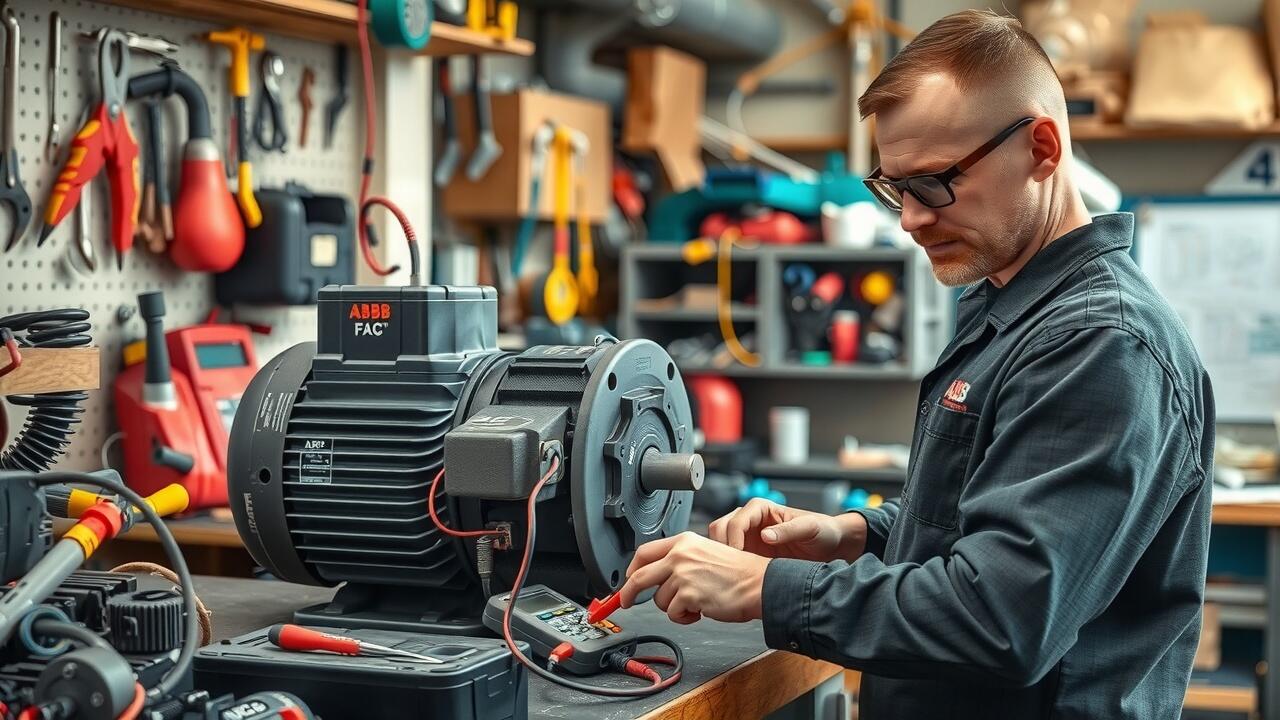
When conducting visual inspections for ABB electric motors, the first thing to do is check for signs of wear and tear around the mounting points. Look for loose bolts or misalignment which can indicate that a motor is struggling against its own weight or mechanical constraints. Regularly inspecting the base and the alignment of the motor with its load helps prevent significant issues down the road. Another key observation is the condition of the shaft and bearings. Any discoloration, unusual textures, or play in the components can signal potential failures. ABB NEMA motors, known for their robustness, require vigilance to ensure they maintain optimal performance.
Next, focus on the cooling vents and overall cleanliness of the motor’s exterior. Dust accumulation can lead to overheating and performance degradation. A quick clean-up can enhance airflow and efficiency. Utilize infrared thermometers to measure surface temperatures across the motor’s body; a variance from the norm can provide early evidence of trouble. By actively monitoring vibrations with handheld devices, you can gain insights into the motor's health. These proactive approaches, encouraged by professional partners like Dietz Electric, make all the difference in early detection and maintenance planning. Prioritize these inspections to safeguard your operations and extend your motor's service life to avoid costly surprises later on.
Understanding Overheating in Motors
Overheating in electric motors significantly impacts efficiency and equipment longevity. ABB electric motors, particularly those within the NEMA classification, are designed to operate optimally around specified temperatures. When motors exceed these temperatures, insulation can degrade. This leads to reduced performance. For instance, a study indicated that even a 10°C rise above the normal operating temperature could halve the lifespan of the motor. Factors contributing to overheating include inadequate lubrication, excessive load, and insufficient cooling airflow.
Recognizing early signs of overheating can save time and resources. Monitoring surface temperatures with infrared cameras enables maintenance teams to identify hot spots before they escalate into catastrophic failures. Additionally, ensuring that motors receive regular maintenance from a reliable ABB distributor, like Dietz Electric, can mitigate overheating risks through timely interventions. Applying best practices, such as proper alignment and balancing, can enhance the operational efficiency of ABB NEMA motors, which helps prevent thermal-related issues. Effective temperature management not only prolongs motor life but also fosters smoother operations in manufacturing setups.
What Causes Overheating Issues? (Common culprits and preventative measures)
Overheating in motors is often the result of various factors that can significantly hinder performance. A common culprit is insufficient ventilation around ABB electric motors, which can prevent effective heat dissipation. For instance, operating in a confined space without proper airflow can elevate temperatures, leading to premature insulation breakdown. Additionally, mechanical friction due to misalignment or worn-out bearings contributes to excessive heat generation. Regular inspections for these issues can help identify problems before they escalate, ensuring longevity and efficiency.
Another significant cause of overheating stems from electrical issues. Overvoltage can push ABB NEMA motors beyond their rated capacity, therefore increasing thermal stress. Moreover, loose connections and imbalanced loads strain the motor, causing inefficiencies. To combat these challenges, preventative measures such as timely maintenance and the use of quality components are essential. Collaborating with an ABB distributor, like Dietz Electric, can provide access to reliable spare parts and expert advice, ensuring optimal functionality of your motors under various operating conditions. Regular monitoring of voltage levels and implementing effective cooling solutions can significantly reduce the risk of overheating.
3 Consequences of Ignoring Motor Faults
Ignoring motor faults can lead to catastrophic failures that disrupt operations and inflate maintenance costs. For instance, when ABB electric motors are allowed to operate with misalignments or insufficient lubrication, the wear can escalate, resulting in breakdowns that halt production lines. A facility might experience downtime of up to 50 hours, translating to thousands of dollars lost in revenue. Many industries adhere to strict performance standards, and failing to comply can lead to penalties or increased scrutiny from regulatory bodies.
Additionally, overlooking minor issues often culminates in significant repairs or replacements, which may not be budgeted. For example, if you depend on ABB NEMA motors for heavy-load applications, a minor bearing failure can cascade into complete motor failure, necessitating an expensive replacement. Regular inspections paired with proactive maintenance from an experienced ABB distributor like Dietz Electric can mitigate risks. Implementing a maintenance schedule, including vibration analysis and thermal imaging, helps catch these issues early, allowing you to maintain optimum performance while minimizing unexpected expenses.
How Can Delayed Maintenance Affect Your Operations? (Potential risks)
Ignoring scheduled maintenance on ABB electric motors can directly lead to significant operational inefficiencies. Early indicators, such as vibration anomalies or rising temperatures, often point to underlying issues. Without timely intervention, these problems can escalate, resulting in unexpected motor failures and costly downtime. Companies that procrastinate on maintenance may face repair costs skyrocketing by as much as 30% compared to preemptive actions taken to mitigate issues. Implementing a rigorous monitoring program, backed by expertise from an experienced ABB distributor, can help pinpoint developing faults before they transform into major disruptions.
Delays in maintenance can also compromise the reliability of your operations, affecting production capacity. Take, for instance, a manufacturing facility reliant on ABB NEMA motors. A minor glitch, if left unchecked, could cascade into a substantial production halt, disrupting supply chains and negatively impacting client relationships. Companies should prioritize routine inspections and analyses to enhance motor longevity and maintain efficient performance. Leveraging specialized services, like those provided by Dietz Electric, can ensure your ABB motors function flawlessly, safeguarding your operational integrity and bottom line.
The Role of Vibration Analysis in Diagnostics
Vibration analysis has emerged as a powerful tool for diagnosing issues in ABB electric motors. By monitoring the vibration signature of a motor, technicians can detect anomalies that point to mechanical failures before they escalate. For instance, the presence of excessive vibration often indicates misalignment or bearing wear. Implementing regular vibration analysis can lead to a drastic reduction in unplanned downtime. Studies show that consistent monitoring can improve motor longevity by up to 30%, enhancing operational efficiency.
Integrating vibration data into a motor maintenance strategy allows for targeted interventions. With the right analysis equipment, users can identify specific frequencies that correlate with faults in ABB NEMA motors, facilitating quicker corrective actions. Leading companies, including those served by Dietz Electric, have reported significant improvements in motor availability through this proactive approach. Analyzing vibration patterns not only uncovers immediate concerns but also helps in planning future maintenance schedules, aligning with industry best practices.
What Can Vibration Data Tell You? (Key indicators of motor health)
Vibration analysis is a powerful diagnostic tool for assessing the health of ABB electric motors. By monitoring vibration data, engineers can detect issues such as imbalance, misalignment, or bearing wear before they escalate into severe problems. For instance, a consistent increase in vibration amplitudes may indicate a developing fault, allowing for timely intervention and maintenance. Utilizing standards like ISO 10816 helps establish baseline vibration limits, creating a reliable framework for evaluating the condition of ABB NEMA motors in industrial applications.
The data derived from vibration analysis also assists operators in optimizing motor performance and prolonging service life. Early detection of irregularities can lead to significant cost savings through efficient scheduling of repairs and minimizing unexpected downtime. For example, a plant using these insights identified unusual vibration patterns in one of their ABB motors, enabling them to replace the bearings before a full motor failure occurred, ultimately saving thousands in production losses. Partnering with experienced ABB distributors, like Dietz Electric, can optimize your vibration monitoring strategies and enhance your operational efficiency.
- Vibration data can help predict potential motor failures before they occur.
- Regular monitoring can extend the lifespan of your motors significantly.
- Identifying abnormal vibrations can lead to improved maintenance schedules.
- Vibration analysis facilitates a proactive approach to motor management.
- It can enhance overall operational efficiency and reduce maintenance costs.
- Operators can utilize vibration data for better training and awareness on equipment health.
- Engaging with suppliers ensures access to the latest monitoring technology and best practices.
Maintaining ABB Motors for Optimal Performance
Regular maintenance practices significantly enhance the lifespan and efficiency of ABB electric motors. For instance, adhering to a preventive maintenance schedule can reduce unplanned downtime by up to 30%. This proactive approach encompasses routine inspections, cleaning, and testing of electrical connections. Ensuring that bearings are well-lubricated and adjusting alignment on ABB NEMA motors can culminate in smoother operations and heightened performance. Companies implementing these strategies have reported not only increased productivity but also substantial savings on repair costs.
Engaging with an ABB distributor like Dietz Electric can streamline the maintenance process. They offer specialized services, including training on best practices and expert insights tailored to different operational needs. By utilizing advanced tools such as infrared thermography and vibration analysis, teams can pinpoint issues before they escalate. Establishing clear documentation of maintenance activities enhances accountability and compliance with industry standards. Emphasizing these practices will unlock the full potential of your ABB motors, ensuring reliability and efficiency in demanding environments.
FAQS
What are the most common mechanical faults in ABB low voltage AC motors?
Some of the most common mechanical faults include misalignment, bearing wear, and rotor issues. These can significantly impact performance and efficiency!
How can I perform a visual inspection to spot mechanical failures early?
Look for signs of wear and tear, such as unusual noises, vibrations, or any visible damage. Regular checks on mounting and connections can also help spot issues before they escalate!
What are the primary causes of overheating in motors?
Overheating can be caused by several factors, including overloading, inadequate ventilation, and poor electrical connections. Addressing these issues promptly can prevent serious damage!
What risks are associated with ignoring motor faults?
Delayed maintenance can lead to increased downtime, higher repair costs, and even complete motor failure. Regular monitoring is crucial to keep operations running smoothly!
How can vibration analysis help in diagnosing motor health?
Vibration data can reveal key indicators of motor health, such as imbalance, misalignment, and bearing wear. It’s a powerful tool for predictive maintenance and ensuring longevity!