Understanding the Benefits of Brazing in Metal Fabrication
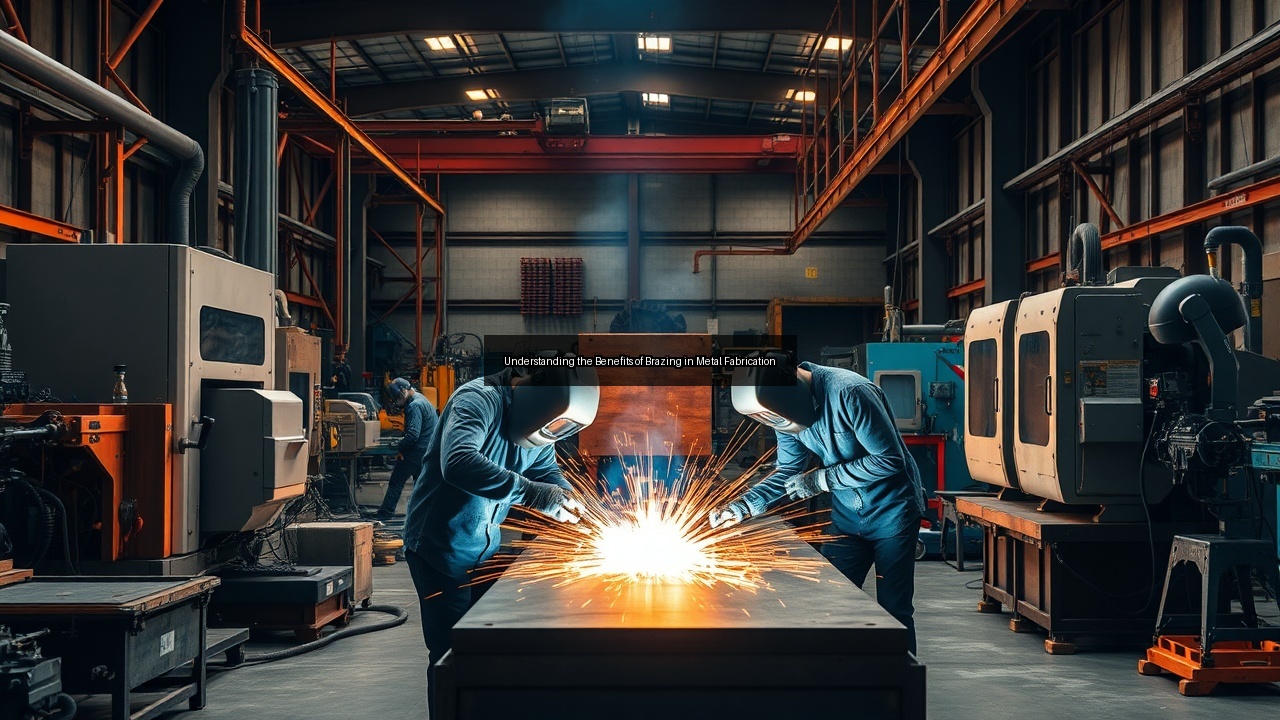
The Fundamentals of Brazing in Metal Fabrication
Defining Brazing: A Key Fabrication Technique
Brazing stands out as a fundamental technique in the realm of metal fabrication, which involves joining two or more metals using a filler material. The filler material melts at a temperature above 450°C (about 840°F) but below the melting point of the base metals, allowing for a strong bond without compromising the integrity of the original components. This process requires precise temperature control and often employs specialized tools and machines to ensure accurate execution. Unlike welding, brazing does not melt the base metals, making it ideal for delicate applications where the heat could alter the properties or dimensions of the metals involved.
Differences Between Brazing and Welding
Brazing and welding, while both are essential methods in metal fabrication, differ significantly in their approaches and applications. Welding typically involves melting the base metals to create a joint, resulting in a more robust bond, but it can cause warping or distortion due to the intense heat. In contrast, brazing utilizes a lower-temperature filler material, preserving the structural integrity of the base metals. This distinction makes brazing suitable for joining dissimilar metals, such as aluminum to steel, which might not bond well through traditional welding methods. Understanding these differences is vital for engineers and fabricators when selecting the appropriate technique for a given project.
Materials Commonly Used in Brazing
A wide range of materials can be effectively joined through brazing, including various types of metals and alloys. Common choices include aluminum, copper, brass, and stainless steel, each selected based on the specific requirements of the project. The selection of the filler material also plays a crucial role, with options like silver, gold, and nickel-based alloys available to suit different applications. The compatibility of the base metals and the filler material significantly influences the strength and durability of the final joint, making expertise in material selection a cornerstone of successful brazing in metal fabrication.
Benefits of Brazing Over Traditional Welding Techniques
Enhanced Strength and Durability of Joints
Brazing offers distinct advantages in terms of the strength and durability of joints compared to traditional welding techniques. The nature of the brazing process allows for the creation of joints that are often stronger than the base metals themselves. This results from the filler material forming a metallurgical bond with the base materials, enhancing resistance to stress and fatigue. The low-temperature application during brazing reduces the risk of thermal distortion and maintains the material properties of the metals being joined. Consequently, industries that require reliable and enduring connections, such as aerospace and automotive sectors, increasingly prefer brazing for its superior joint performance.
Lower Energy Requirements in Brazing
One significant advantage of brazing is its lower energy requirements compared to traditional welding. The brazing process operates at much lower temperatures, which reduces the energy consumption associated with heating the metals. This energy efficiency translates into cost savings for manufacturers, making it an attractive option for businesses focused on minimizing operational expenses. Additionally, the reduced energy footprint supports sustainability initiatives within the metal fabrication industry, aligning with the growing demand for environmentally responsible practices. Using less energy not only cuts costs but also lessens the overall environmental impact of the fabrication process.
Weight and Cost Efficiency in Fabrication
Brazing also excels in weight and cost efficiency, which is particularly advantageous in industries where these factors are critical. The ability to join thinner materials without compromising joint strength allows for lighter constructions, especially in aerospace and automotive applications. This weight reduction can lead to improved fuel efficiency and performance in vehicles and aircraft. Furthermore, the cost efficiency of brazing stems from its ability to join dissimilar metals and eliminate the need for extensive machining or finishing processes that often accompany traditional welding. By streamlining the fabrication process, businesses can achieve significant savings, making brazing a smart choice in modern manufacturing.
Applications of Brazing in Various Industries
Aerospace: Precision and Reliability
The aerospace industry relies heavily on brazing for its precision and reliability in metal fabrication. Components in aircraft must withstand extreme conditions while ensuring safety and performance. Brazing allows for the creation of lightweight yet sturdy parts that meet rigorous industry standards. The ability to join various materials, such as aluminum and titanium, enables engineers to design complex assemblies that enhance aerodynamics and fuel efficiency. Additionally, the consistent quality provided through automated brazing processes ensures that each component adheres to strict ISO 9001 standards, making the technique indispensable in aerospace manufacturing.
Automotive Sector: Lightweight Solutions
In the automotive sector, the demand for lightweight solutions continues to grow as manufacturers seek to improve vehicle efficiency and performance. Brazing provides an effective means to join thin-walled components without sacrificing strength, allowing for the reduction of overall vehicle weight. This weight efficiency translates to better fuel economy and lower emissions. Furthermore, the ability to combine different metals expands design possibilities, enabling the creation of innovative automotive parts that enhance safety and functionality. As automotive technologies evolve, brazing will remain a key player in facilitating the industry's shift toward more sustainable practices.
Infrastructure: Joining Alloys for Longevity
Infrastructure projects benefit significantly from brazing, particularly when it comes to joining various alloys that require durability and longevity. Brazed joints can withstand harsh environmental conditions, making them ideal for applications in bridges, buildings, and other critical structures. The ability to create strong, corrosion-resistant joints ensures that infrastructure components maintain their integrity over time, reducing the need for frequent repairs. As cities continue to expand and modernize, the use of brazing in construction and infrastructure projects will play a vital role in fabrication and welding services supporting sustainable development through reliable and long-lasting connections.
The Future of Brazing: Innovations and Technologies
Automation in Brazing Processes
Automation is transforming the brazing landscape, enhancing precision and efficiency in metal fabrication. Automated brazing machines streamline workflows, reducing the potential for human error while increasing output. These machines utilize advanced technologies to maintain consistent temperatures and ensure optimal bonding between materials. The integration of robotics into the brazing process is particularly beneficial in high-volume manufacturing environments, where speed and accuracy are paramount. As automation technology continues to evolve, expect to see even more sophisticated brazing solutions that further elevate the standard of metal fabrication.
Quality Control and Inspection in Fabrication
Quality control remains a cornerstone of successful brazing applications, particularly in industries where safety and reliability are non-negotiable. Advanced inspection technologies, such as ultrasonic testing and X-ray imaging, allow manufacturers to assess the integrity of brazed joints without compromising the finished product. Implementing rigorous quality control measures ensures compliance with industry standards, such as ISO 9001, and maintains customer confidence in fabricated components. As inspection technologies advance, businesses will improve their ability to deliver high-quality brazed products consistently, reinforcing the role of brazing in high-stakes industries.
Sustainability in Metal Fabrication and Welding
Sustainability is becoming increasingly important in metal fabrication and welding, and brazing aligns well with these goals. The lower energy requirements of brazing reduce the carbon footprint associated with metal joining processes. Moreover, the ability to join dissimilar metals minimizes waste by allowing for the use of thinner materials and reducing the need for extensive machining. As the industry moves toward greener practices, brazing will continue to evolve, incorporating environmentally friendly materials and processes. This commitment to sustainability positions brazing as a forward-thinking solution in the ever-evolving landscape of metal fabrication.