The Essential Guide to Understanding Barrel Gauges for Liquid Storage
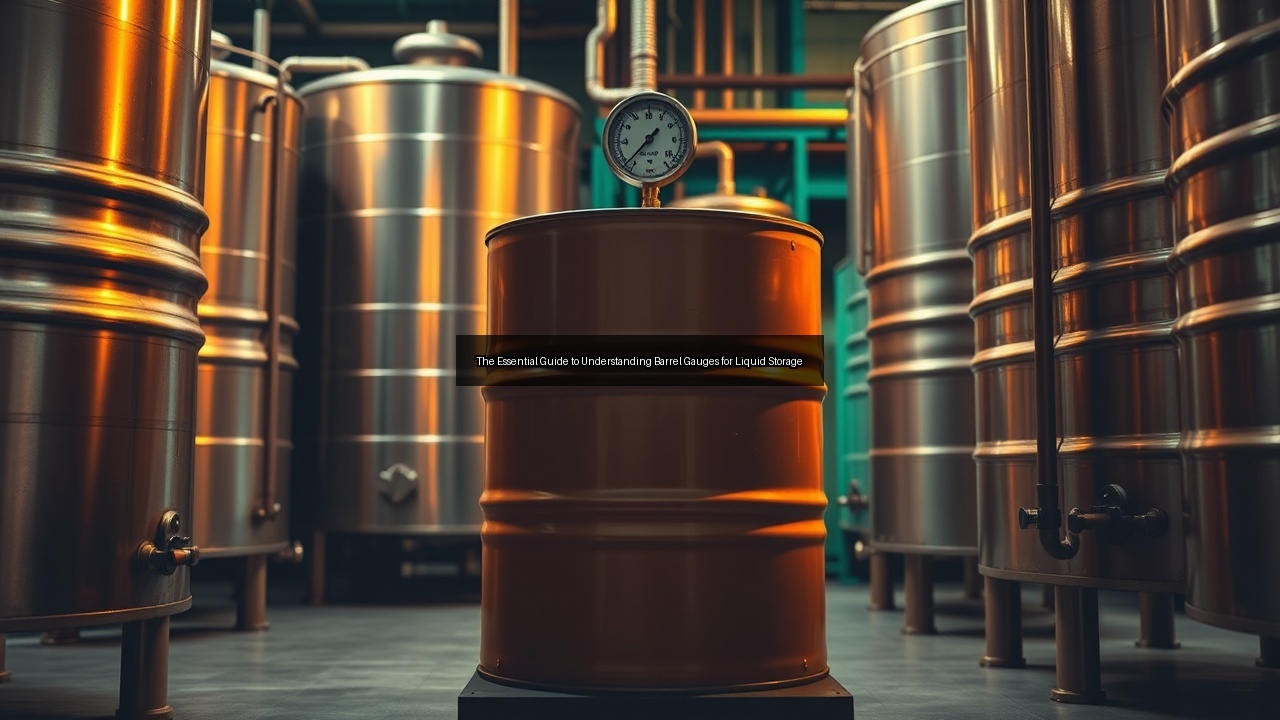
Introduction to Barrel Gauges
What Are Barrel Gauges?
Barrel gauges are specialized devices designed to measure the volume of liquids stored in barrels, particularly in 55-gallon drums. These gauges serve a fundamental role in various industries, from manufacturing to agriculture, where accurate liquid measurement is crucial. A barrel gauge typically offers readings in gallons or liters, making it easier for operators to assess the contents without opening the barrel. This functionality is particularly vital for businesses dealing with hazardous materials, where safety and precision are paramount. Understanding how these gauges work provides insight into their significance in liquid storage management.
Importance of Accurate Measurement in Liquid Storage
Accurate measurement in liquid storage cannot be overstated. For businesses relying on precise quantities of liquids, such as chemicals or oils, even minor discrepancies can lead to significant financial losses or safety hazards. Using a reliable barrel gauge ensures that companies maintain optimal inventory levels, preventing overflows or shortages. Moreover, correct measurements help in regulatory compliance, as many industries must adhere to strict standards regarding liquid handling and storage. Ultimately, accurate barrel gauges contribute to operational efficiency, safety, and overall business sustainability.
Types of Barrel Gauges
Mechanical Gauges vs. Digital Gauges
Barrel gauges fall into two primary categories: mechanical and digital. Mechanical gauges use physical components such as springs or floats to indicate the liquid level. These gauges are often favored for their simplicity, reliability, and low maintenance costs. However, they can be less precise than their digital counterparts. Digital gauges, on the other hand, utilize electronic sensors to provide exact readings. These gauges often feature LCD displays, offering easier readability and sometimes additional functionalities like remote monitoring. When selecting between mechanical and digital barrel gauges, consider factors such as accuracy requirements, budget, and the specific application within your operational context.
Choosing the Right Gauge for Your 55 Gallon Drum
Selecting the appropriate barrel gauge for a 55-gallon drum involves several critical considerations. First, assess the type of liquid being stored. Some gauges are better suited for viscous fluids, while others excel in measuring lighter liquids. Next, evaluate the environment where the drum will be stored. For instance, digital gauges may require electricity or batteries, making them less ideal for remote locations without power. Additionally, consider whether you need a gauge that complies with specific industry standards. Ultimately, choosing the right barrel gauge ensures accurate measurements and enhances the safety of your liquid storage operations.
Applications of Barrel Gauges in Different Industries
Barrel gauges find applications in various industries, each with unique requirements for liquid measurement. In the chemical manufacturing sector, accurate gauging of corrosive substances is essential to prevent spills and ensure safety standards are met. The food and beverage industry relies on precise measurements for consistency in production, while the oil and gas sector uses barrel gauges to monitor tank levels and prevent overfills. Even in agriculture, where fertilizers and pesticides are stored, accurate gauging plays a vital role in ensuring the correct application rates. Understanding the specific needs of each industry allows for better selection and utilization of barrel gauges.
Installation and Maintenance of Barrel Gauges
Step-by-Step Guide to Installing a Barrel Gauge
Installing a barrel gauge requires careful attention to ensure accurate readings. Begin by selecting a suitable location on the barrel that allows for easy access and visibility. Use appropriate tools to create an opening that matches the gauge's specifications, ensuring a snug fit to prevent leaks. Secure the gauge in place, following the manufacturer’s instructions. After installation, calibrate the gauge according to the liquid type and density for precise measurements. Regular checks post-installation help ensure that the gauge functions correctly and provides reliable readings over time. Proper installation is the first step toward effective liquid management.
Routine Maintenance Tips for Long-Lasting Performance
Routine maintenance of barrel gauges extends their lifespan and ensures accurate readings. Regularly inspect the gauge for signs of wear or damage, especially in mechanical models where moving parts may wear down over time. Clean the gauge periodically to prevent buildup that could obstruct readings. For digital gauges, check the battery level and replace it as needed to maintain functionality. Calibration should be performed periodically to ensure the gauge remains accurate. Keeping a log of maintenance activities can also help identify potential issues before they become serious problems, ensuring that your liquid storage operations run smoothly.
Common Issues and Troubleshooting
Barrel gauges, like any equipment, may encounter issues that require troubleshooting. Common problems include inaccurate readings, which can stem from improper installation, calibration errors, or mechanical wear. For mechanical gauges, check for obstructions and ensure that the float or spring moves freely. In the case of digital gauges, replace batteries and verify that the connections are secure. If a gauge consistently provides erroneous readings, recalibration may be necessary. Understanding these issues and their solutions helps maintain the reliability of barrel gauges, ensuring that they continue to serve their vital role in liquid storage management.
Regulatory Standards and Compliance
Understanding Gauge Regulations in the United States
In the United States, various regulations govern the use of barrel gauges, particularly in industries dealing with hazardous liquids. The Environmental Protection Agency (EPA) sets standards for the storage of chemicals, requiring accurate measurement to prevent spills and ensure safety. Additionally, the Occupational Safety and Health Administration (OSHA) outlines requirements for safe liquid handling practices. Understanding these regulations ensures compliance and protects both employees and the environment. Businesses must stay updated on changes to these regulations, as non-compliance can result in significant penalties and safety risks.
Safety Measures for Liquid Storage Tanks
Implementing safety measures for liquid storage tanks is vital to minimize risks associated with leaks and spills. First, ensure that all barrel gauges are properly calibrated and functioning correctly to provide accurate readings. Regular inspections of storage tanks and gauges are essential to identify potential weaknesses. Installing secondary containment systems can help capture any spills or leaks, further enhancing safety. Training employees on proper liquid handling and gauge operation also contributes to a safer work environment. By prioritizing safety measures, businesses can protect their assets, employees, and the environment while maintaining compliance with regulatory standards.