Sustainable Solutions in Dual Shot Injection Molding
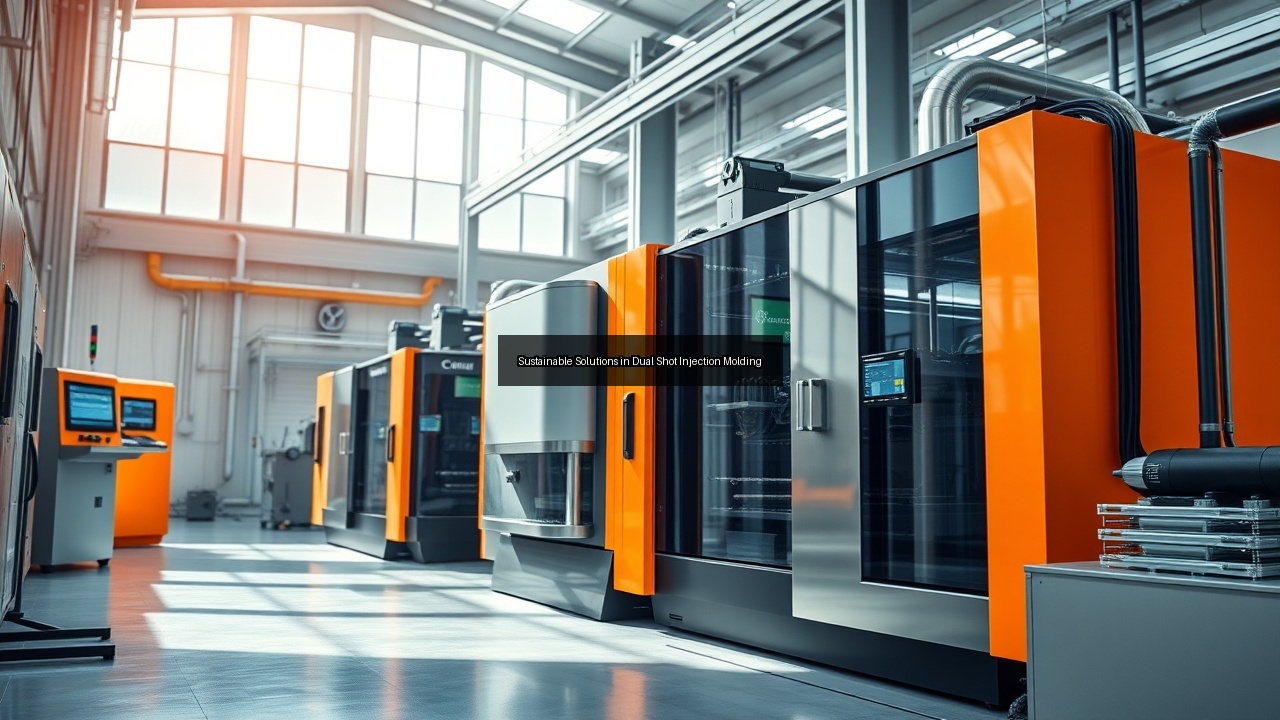
Understanding Dual Shot Injection Molding
Overview of Dual Shot Injection Molding
Dual shot injection molding, also known as two-shot injection molding, revolutionizes the way manufacturers create complex plastic parts. This innovative technique allows for the simultaneous injection of two different materials into a single mold. Typically, manufacturers use thermoplastics, but the process can also incorporate other materials like aluminum for enhanced properties. The result? Products that combine the best features of both materials—strength from one and flexibility or aesthetics from the other. Dual shot molding eliminates the need for additional assembly processes, significantly streamlining production and reducing costs.
The Dual Shot Injection Molding Technique Explained
The dual shot injection molding technique involves a two-step process. First, the mold fills with one material, typically a thermoplastic, which forms the base layer. Once this layer cools and solidifies, the mold injects a second material over the first. This method can create intricate designs and complex geometries that traditional injection molding struggles to achieve. The seamless bonding between the two materials enhances durability and functionality. This process not only optimizes manufacturing efficiency but also opens doors to innovative design possibilities, making it a popular choice in various industries, from automotive to consumer goods.
Advantages Over Traditional Injection Molding
Dual shot injection molding offers several advantages compared to traditional injection molding. First, it simplifies the production process by reducing assembly time and labor costs. By combining materials in a single step, manufacturers minimize the risk of human error associated with assembling multiple components. Additionally, dual shot molding enhances product performance and aesthetics, allowing designers to create visually appealing and multi-functional parts. The integration of different materials also leads to improved mechanical properties, resulting in products that are both lightweight and robust. Overall, these advantages position dual shot injection molding as a forward-looking solution in modern manufacturing.
Sustainability in Dual Shot Injection Molding
Material Selection: Thermoplastics and Aluminum
Choosing the right materials is critical in advancing sustainability in dual shot injection molding. Thermoplastics are widely used due to their recyclability and ability to be remolded without significant degradation. Manufacturers can select eco-friendly thermoplastics, such as bio-based materials, that further enhance sustainability efforts. The inclusion of aluminum, known for its lightweight and strength, also contributes to reducing overall product weight, which can lead to decreased energy consumption during transportation. This thoughtful material selection demonstrates a commitment to sustainable practices while maintaining high performance and durability in finished products.
Reducing Plastic Waste Through Overmolding
Overmolding, a crucial aspect of dual shot injection molding, plays a significant role in reducing plastic waste. By combining soft and hard materials in one process, manufacturers can minimize the number of separate parts needed, which in turn cuts down on excess material usage. This process also allows for the recycling of scrap materials, further promoting sustainability. By reducing the need for additional secondary operations, overmolding decreases energy consumption as well. This streamlined approach aligns with the growing demand for sustainable manufacturing practices, showcasing how dual shot injection molding can contribute positively to environmental goals.
Energy Efficiency in the Dual Shot Process
Energy efficiency stands as a key benefit of the dual shot injection molding process. Traditional methods often require multiple cycles to produce a single part, leading to increased energy consumption. In contrast, dual shot molding combines the injection of two materials in a single cycle, significantly reducing energy usage. Advanced machinery designed for this process also incorporates energy-saving features, such as precise temperature control and shorter cycle times. As manufacturers prioritize sustainability, optimizing energy efficiency in production processes becomes essential. Dual shot injection molding not only meets this demand but also creates a competitive edge in the market.
Innovative Applications and Technologies
Integration of 3D Printing with Dual Shot Molding
The integration of 3D printing technology with dual shot injection molding opens a world of possibilities for product development. 3D printing can create complex molds that enhance the precision of the dual shot process. This synergy allows for rapid prototyping and quicker design iterations, enabling manufacturers to respond swiftly to market demands. Furthermore, 3D printing can produce intricate geometries and internal structures that traditional molding cannot achieve. By leveraging both technologies, companies can develop innovative products that incorporate unique features, aligning with consumer preferences for customization and functionality.
Case Studies of Sustainable Practices
Numerous companies have adopted dual shot injection molding to enhance sustainability in their manufacturing processes. For example, an automotive parts manufacturer successfully implemented this technique to produce lightweight components that required fewer materials while maintaining strength. This not only reduced production costs but also improved fuel efficiency in vehicles. Another case involved a consumer goods company that utilized eco-friendly thermoplastics in its dual shot molding process, significantly lowering its carbon footprint. These case studies illustrate how businesses can embrace sustainable practices through innovative manufacturing techniques, paving the way for a greener future.
Future Trends in Dual Shot Injection Molding
As industries evolve, dual shot injection molding is poised for significant advancements. Trends indicate an increasing focus on sustainability, with manufacturers exploring bio-based thermoplastics and recyclable materials. The growing demand for lightweight products will drive innovations in material science, leading to the development of stronger yet lighter composites. Additionally, advancements in automation and smart manufacturing technologies will further streamline dual shot processes, enhancing precision and efficiency. As more companies recognize the importance of sustainability and innovation, dual shot injection molding will play a crucial role in shaping the future of manufacturing.
Leadership in Sustainable Manufacturing
Promoting Sustainable Solutions in the Plastics Industry
Leadership within the plastics industry plays a pivotal role in promoting sustainable solutions, particularly through techniques like dual shot injection molding. Industry leaders advocate for adopting eco-friendly practices and materials, driving a shift toward greener manufacturing. By sharing knowledge and resources, these leaders can empower smaller companies to implement sustainable strategies, fostering a collective commitment to environmental stewardship. Moreover, collaboration between stakeholders—including manufacturers, suppliers, and policymakers—will facilitate the development of industry standards that prioritize sustainability while ensuring economic viability.
Conversations on Sustainability and Innovation
Conversations surrounding sustainability and innovation are crucial for advancing dual shot injection molding practices. Industry forums, conferences, and workshops provide platforms for stakeholders to exchange ideas and insights. These discussions drive awareness of the challenges and opportunities in adopting sustainable practices. Engaging in dialogue encourages companies to think creatively about their manufacturing processes, leading to innovative solutions that benefit both business and the environment. By fostering a culture of openness and collaboration, the industry can navigate the complexities of sustainability while positioning itself as a leader in responsible manufacturing practices.
The Role of Industry Leaders in Advancing Technology
Industry leaders significantly influence the advancement of technology in dual shot injection molding. Their investments in research and development pave the way for innovative techniques and materials that prioritize sustainability. By supporting initiatives that focus on energy efficiency and waste reduction, these leaders set benchmarks for others to follow. Furthermore, their commitment to transparency and accountability inspires trust among consumers, encouraging a shift toward sustainable products. As technology continues to evolve, the leadership within the industry will be critical in steering practices that align with environmental goals while meeting market demands.
See Also
- Dual Shot Injection Molding A Game Changer for the Aluminum Industry
- Exploring the Benefits of Dual Shot Injection Molding in Modern Production
- From 3D Printing to Dual Shot Injection Molding Innovations in Plastics
- Navigating the Challenges of Dual Shot Injection Molding
- Dual Shot Injection Molding Innovations in the Automotive Sector