Breaking Down the Different Types of Pipe Fabrication
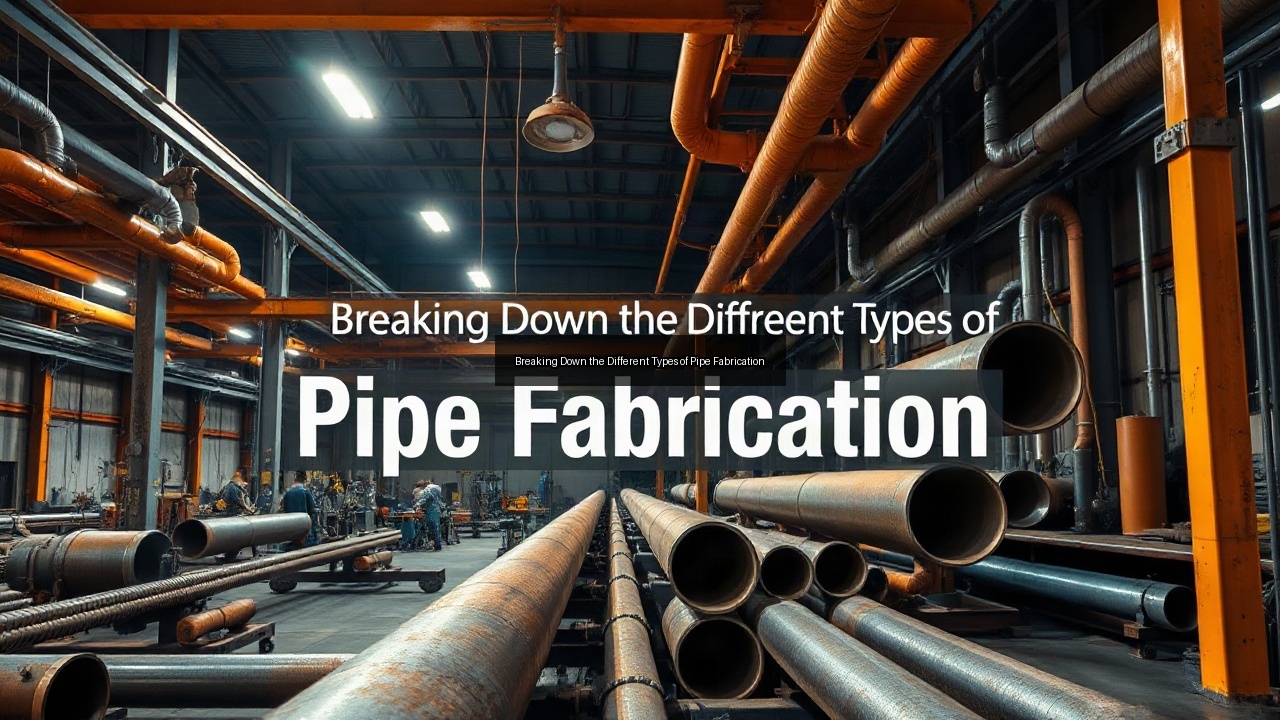
Understanding Pipe Fabrication
What is Pipe Fabrication?
Pipe fabrication involves creating, modifying, and assembling pipes to meet specific requirements for various applications. This process encompasses a range of techniques, including cutting, bending, welding, and assembling pipes and tubes. Fabrication can occur in a shop or on-site, depending on the project’s scale and complexity. Pipe fabrication serves critical functions in numerous industries, including construction, oil and gas, water distribution, and manufacturing. The ultimate goal is to deliver piping systems that are not only durable and efficient but also tailored to meet stringent industry standards and regulations.
The Importance of Quality in Pipe Fabrication
Quality in pipe fabrication significantly impacts the longevity and safety of piping systems. Poor-quality fabrication can lead to leaks, failures, and safety hazards, resulting in costly downtime and repairs. Ensuring quality starts with selecting the right materials, such as steel pipes, and utilizing precise fabrication techniques. Regular inspections and adherence to industry standards are vital steps in maintaining high-quality fabrication. Companies often employ certified professionals who understand the nuances of different materials and fabrication methods. A commitment to quality not only enhances the reliability of the piping systems but also builds trust with clients, fostering long-term partnerships.
Common Materials Used in Pipe Fabrication
Pipe fabrication primarily utilizes materials such as carbon steel, stainless steel, and various alloys. Carbon steel pipes are favored for their strength and versatility, making them suitable for a wide array of applications, from structural support to fluid transport. Stainless steel pipes offer excellent corrosion resistance, making them ideal for industries involving chemicals or high temperatures. Additionally, specialized materials, like PVC and copper, are used for specific applications, enhancing the adaptability of piping systems. Understanding the properties of these materials helps fabricators choose the right type for each project, ensuring optimal performance and durability.
Types of Pipe Fabrication Processes
Welding Techniques in Pipe Fabrication
Welding plays a crucial role in pipe fabrication, providing strong, permanent joints that enhance the integrity of piping systems. Various welding techniques are employed, including MIG (Metal Inert Gas) welding, TIG (Tungsten Inert Gas) welding, and stick welding. MIG welding is favored for its speed and efficiency, making it suitable for large production runs. TIG welding, while slower, offers greater precision, ideal for thin-walled pipes or high-quality finishes. Each technique has its advantages and is selected based on factors like material type, thickness, and project requirements. Skilled welders ensure that the joints meet stringent quality standards, reinforcing the overall reliability of the fabricated pipes.
Bending and Forming Methods
Bending and forming are essential processes in pipe fabrication, allowing pipes to fit into various layouts and designs. Techniques such as hot bending and cold bending are commonly used, depending on the material and desired radius. Hot bending involves heating the pipe to a specific temperature, making it more malleable and easier to shape without cracking. Cold bending, on the other hand, is performed at room temperature, which can introduce stresses that affect the pipe's integrity. Fabricators must carefully assess the bending method, considering factors like the pipe's diameter, wall thickness, and the final application. Mastering these techniques ensures that pipes maintain their strength while conforming to complex system designs.
Cutting and Machining of Pipes
Cutting and machining are critical components of pipe fabrication, ensuring that pipes are accurately sized and shaped for their intended use. Different cutting methods, such as saw cutting, plasma cutting, and laser cutting, are employed depending on the material and thickness of the pipes. Saw cutting is often used for thicker pipes, while plasma and laser cutting provide precision for intricate designs or thinner materials. Machining processes, such as threading and boring, can also be applied to pipes to create specific features like flanges and connections. Effective cutting and machining techniques reduce waste, enhance efficiency, and ensure that the final products meet precise specifications.
Applications of Pipe Fabrication
Industries Utilizing Pipe Fabrication
Pipe fabrication serves a diverse range of industries, each with unique requirements and standards. The oil and gas industry relies heavily on robust piping systems to transport fluids under high pressures and temperatures. In construction, fabricated pipes are critical for plumbing, HVAC systems, and structural applications. The manufacturing sector uses pipe fabrication for process piping and equipment support. Water treatment facilities depend on durable piping systems for efficient water distribution. Each industry not only demands high-quality fabrication but also adheres to specific regulations and certifications, ensuring safety and efficiency in operations.
Custom Fabrication vs. Standard Fabrication
Custom fabrication and standard fabrication represent two distinct approaches in the pipe fabrication landscape. Standard fabrication involves creating pipes based on predefined specifications and designs, often utilizing mass production techniques. This approach suits projects with common requirements and allows for cost-effective solutions. On the other hand, custom fabrication tailors each pipe to meet unique project needs, accommodating specific dimensions, materials, and features. While custom fabrication may incur higher costs, it provides flexibility and ensures that the piping systems integrate seamlessly into complex designs. Clients must carefully evaluate their project requirements to determine the most suitable fabrication approach.
The Role of Fabrication in Piping Systems
Fabrication plays a pivotal role in the overall effectiveness and reliability of piping systems. It transforms raw materials into functional components that meet the specific demands of various applications. Well-executed fabrication ensures that pipes fit together correctly, minimizing the risks of leaks and failures. Furthermore, fabrication allows for the incorporation of various fittings, valves, and headers, enhancing the system's versatility. Regular advancements in fabrication technologies and methods continue to improve efficiency and quality. Overall, effective pipe fabrication forms the backbone of any robust piping system, ensuring safe and efficient operations in numerous industries.
Choosing the Right Pipe Fabrication Company
Key Factors to Consider When Selecting a Fabrication Company
Selecting the right pipe fabrication company is crucial for ensuring project success. Key factors include the company's experience and reputation in the industry. A well-established company will have a proven track record of delivering high-quality products on time. Additionally, consider the range of services offered, such as custom fabrication and welding capabilities. Certifications and compliance with industry standards are also essential, as these reflect the company's commitment to quality. Finally, evaluating customer feedback and case studies can provide insight into the company’s reliability and expertise, helping clients make informed decisions.
Cost Analysis: Pricing for Pipe Fabrication Services
Understanding the cost of pipe fabrication services involves several variables, including material selection, complexity of the design, and the chosen fabrication methods. Steel pipes, for instance, may vary in price based on their grade and thickness. Custom fabrication can incur higher costs compared to standard options due to the tailored approach and additional labor involved. Clients should obtain detailed quotes from multiple fabrication companies, comparing not just pricing but also the quality of materials and services offered. Conducting a thorough cost analysis helps ensure that clients receive fair value without compromising on quality.
Evaluating Pipe Fabrication Shops and Their Capabilities
Evaluating pipe fabrication shops requires a comprehensive assessment of their capabilities and resources. Start by examining the shop’s equipment and technology, as modern tools enhance precision and efficiency. Look for certifications that indicate adherence to industry standards, such as ISO certifications or ASME compliance. The shop’s workforce qualifications are equally important; skilled technicians with experience in various fabrication techniques ensure high-quality outputs. Additionally, consider the shop's ability to handle large-scale projects and their capacity for custom orders. A thorough evaluation ensures that clients partner with a fabrication shop capable of meeting their specific project needs efficiently.